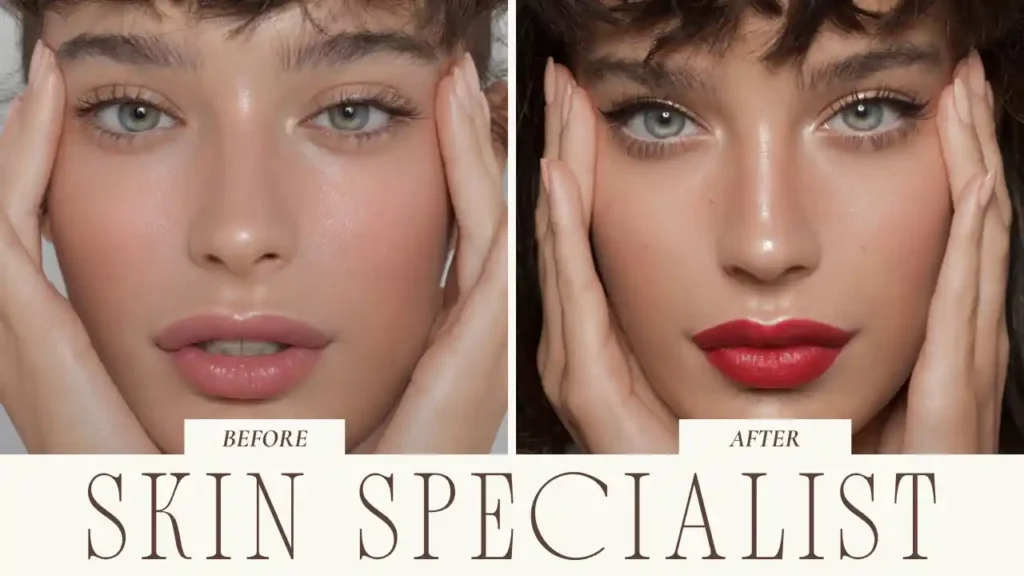
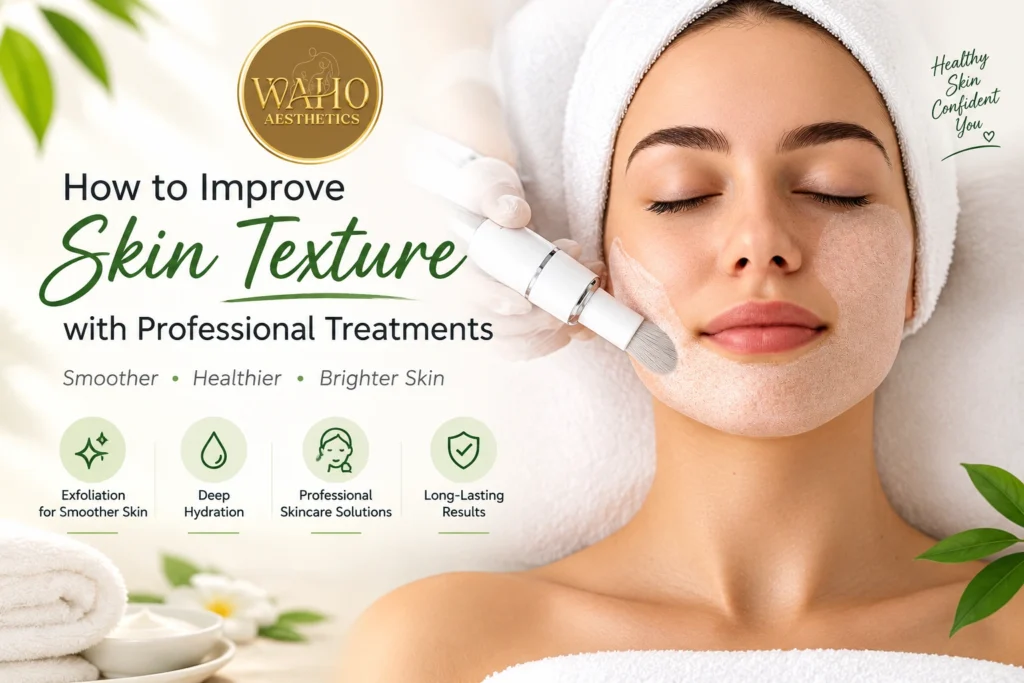
How to Improve Skin Texture, Smooth and healthy-looking skin can help you feel more confident. However, many people have rough skin, large pores, acne scars, uneven skin tone, or fine lines. These problems can make the skin look uneven. Fortunately, professional skin treatments can help make the skin look smoother and healthier.
If you want to improve your skin texture, first understand your skin type and its needs. Different professional treatments can help with different skin problems. Therefore, you should choose a treatment that suits your skin. At WAH Aesthetics, you can explore suitable skin treatments based on your skin concerns and goals.
In this blog, we will explain how professional treatments can improve skin texture. We will also discuss different treatment options and simple ways to care for your skin after treatment.
What Is Skin Texture?
Skin texture means how your skin feels and looks. Healthy skin usually feels smooth and looks even. However, several factors can make your skin rough or uneven over time.
For example, dead skin cells can build up on your skin and make it feel rough. Similarly, acne scars, sun damage, large pores, and ageing can affect your skin’s appearance.
Common skin texture problems include:
- Rough or dry skin
- Large or visible pores
- Acne scars and uneven skin
- Fine lines and wrinkles
- Uneven skin tone and sun damage
- Small bumps and blocked pores
Fortunately, a good skincare routine and suitable professional treatments can help improve many of these problems.
What Causes Uneven Skin Texture?
Before choosing a treatment, you should understand what causes uneven skin texture. Different skin problems need different treatments.
1. Dead Skin Cell Buildup
Your skin naturally removes old skin cells. However, dead cells can sometimes build up on the skin’s surface. As a result, your skin may look dull and feel rough.
2. Acne and Acne Scars
Acne can leave dark marks and scars on your skin. Some scars also create small dips in the skin. Therefore, your skin may look uneven even after your acne clears.
3. Sun Damage
Regular exposure to sunlight can damage your skin over time. As a result, you may notice rough skin, dark spots, uneven skin tone, or fine lines.
4. Ageing
Your skin produces less collagen and elastin as you grow older. These proteins help keep your skin firm and elastic. Therefore, lower levels of these proteins can lead to wrinkles and changes in skin texture.
5. Dehydration
Dehydrated skin does not have enough water. As a result, your skin may feel tight, dry, flaky, or rough. However, dehydrated skin is not the same as naturally dry skin. Even oily skin can lack water.
Understanding these causes can help you choose a treatment that suits your skin.
How Professional Skin Treatments Improve Skin Texture
Professional skin treatments can help improve rough skin, acne scars, blocked pores, and signs of ageing. However, the right treatment depends on your skin type, skin concerns, and medical history.
Let’s look at some common treatments that may help improve skin texture.
1. Chemical Peels: Professional Skin Treatments for Smoother Skin
Chemical peels use special acids to remove dead skin cells from the skin’s surface. This process helps your skin renew itself and may improve uneven skin texture.
For example, a suitable chemical peel may help reduce dullness, mild acne marks, blocked pores, and uneven skin tone. Some peels can also reduce the appearance of fine lines.
However, chemical peels come in different strengths. A qualified practitioner should check your skin before recommending a peel. Stronger peels may need more recovery time and can cause irritation or changes in skin colour.
Therefore, always choose a peel that suits your skin.
2. Microneedling for Acne Scars and Uneven Skin
Microneedling uses very fine needles to make tiny holes in the skin. These tiny injuries start the skin’s natural healing process and help the skin produce more collagen.
As a result, microneedling may improve the appearance of some acne scars, fine lines, and uneven skin texture over time.
However, you may not see results immediately. Your practitioner may recommend several sessions based on your skin concerns and how your skin responds to treatment.
In addition, you should follow all aftercare instructions. Avoid using microneedling devices at home because incorrect use can damage your skin or cause an infection.
3. Professional Skin Treatments for Clean and Hydrated Skin
A Hydrafacial-style treatment cleans the skin, removes dead skin cells, clears some blocked pores, and adds moisture.
As a result, your skin may look fresher, smoother, and more hydrated after treatment. This treatment may suit people who want to improve dull skin, mild roughness, and clogged pores.
However, a Hydrafacial cannot remove deep acne scars or replace lost collagen. Therefore, your practitioner may suggest another treatment if you have deeper skin texture problems.
4. Laser Treatments for Uneven Skin Texture
Some laser treatments can help improve acne scars, fine lines, sun damage, and uneven skin texture. Depending on the type of laser, the treatment may help your skin produce more collagen or reduce certain dark spots.
For example, some fractional laser treatments create tiny areas of controlled damage in the skin. This process encourages the skin to repair itself. Over time, it may help improve some scars and rough areas.
However, laser treatments do not suit everyone. Your skin tone, medical history, current skin problems, and the type of laser can affect the results.
Some laser treatments can also cause burns or dark patches if the practitioner uses the wrong settings. Therefore, consult a qualified professional before choosing a laser treatment.
5. Professional Exfoliation for Rough Skin
Professional exfoliation removes dead skin cells from the surface of your skin. Depending on your skin’s needs, a practitioner may use special skincare acids or another suitable method.
This treatment can help reduce roughness and make dull skin look fresher. In addition, the right exfoliation method may help keep your pores clear.
However, too much exfoliation can damage your skin. It may cause redness, dryness, and irritation. Therefore, choose a treatment that suits your skin type and avoid using too many exfoliating products at home.
6. Skin Rejuvenation Treatments for Fine Lines
Skin rejuvenation treatments aim to improve the appearance of your skin. Some treatments help reduce fine lines, while others support skin firmness or hydration.
For example, a practitioner may recommend a treatment that helps your skin produce more collagen. Another option may focus on improving skin moisture.
However, different treatments work in different ways. Therefore, ask about the benefits, possible side effects, and recovery time before choosing a treatment.
At WAH Aesthetics, you can discuss your skin concerns and explore suitable treatment options before deciding on a skincare plan.
How to Choose the Right Professional Treatment
Choosing the right treatment is important because everyone’s skin is different. A treatment that works well for one person may not suit another person.
Before booking an appointment, consider these points.
- Understand your main skin problem.
First, decide what you want to improve. For example, you may want to reduce acne scars, rough skin, large pores, fine lines, or dark spots.
- Know your skin type.
Your skin may be oily, dry, sensitive, or a combination of these types. Therefore, choose a treatment that suits your skin.
- Consult a qualified practitioner.
Ask a professional to check your skin before you choose a chemical peel, microneedling, or laser treatment.
- Discuss your expectations.
Ask what results you can expect from the treatment. Also, find out how many sessions you may need and how long your skin may take to recover.
- Ask about side effects.
Every treatment has possible risks. Therefore, ask about side effects, aftercare, and any steps you need to follow before and after treatment.
- Check the practitioner’s experience.
Choose a practitioner who has the right qualifications and experience with your chosen treatment.
Most importantly, do not choose a treatment only because it is popular or cheap. Always consider your skin’s needs and safety first.
How to Maintain Smooth Skin After Professional Treatments
Professional treatments can help improve your skin texture. However, your daily skincare routine also plays an important role in keeping your skin healthy.
Follow these simple steps after your treatment.
Cleanse Your Skin Gently
Use a gentle face cleanser to remove dirt, oil, and other impurities. However, avoid harsh cleansers and scrubs, especially when your skin feels sensitive.
Moisturise Every Day
Apply a suitable moisturiser every day to help keep your skin soft and hydrated. For example, products with glycerin or ceramides may help your skin hold moisture and support its natural protective barrier.
Apply Sunscreen Daily
Sunlight can cause skin damage and make dark spots worse. Therefore, apply a broad-spectrum sunscreen with SPF 30 or higher every day. Also, reapply it as directed, especially when you spend time outdoors.
Avoid Too Much Exfoliation
Exfoliation can help remove dead skin cells. However, excessive exfoliation can irritate your skin and cause dryness.
Therefore, ask your practitioner when you can start using exfoliating acids, retinoids, or other active skincare products again after treatment.
Follow Your Aftercare Instructions
Different treatments need different aftercare routines. For example, your practitioner may ask you to avoid direct sunlight, makeup, heat, or certain skincare products for some time.
Always follow the instructions your practitioner gives you. If you notice severe pain, increasing redness, swelling, blisters, or signs of infection, seek medical advice promptly.
How Long Does It Take to Improve Skin Texture?
The time needed to improve skin texture depends on your skin problem and the treatment you choose.
For example, a facial may make your skin look smoother and more hydrated for a short time. However, acne scars, deep wrinkles, and other serious texture problems may need several sessions.
Treatments that help your skin produce more collagen usually show gradual results over several weeks or months. In addition, your skin condition, age, lifestyle, and aftercare routine can affect your results.
Remember, no treatment can promise perfect skin. However, a qualified practitioner can help you understand what results you may achieve and which treatment may suit you best.
Conclusion
Uneven skin texture can happen because of dead skin cells, acne scars, sun damage, ageing, or dehydration. Fortunately, professional treatments can help improve different skin problems.
For example, chemical peels may help with dull skin, microneedling may improve some acne scars, and Hydrafacial-style treatments may help with dryness and roughness. Similarly, certain laser treatments can improve the appearance of selected scars and signs of sun damage.
However, the best treatment depends on your skin type and concerns. In addition, gentle cleansing, daily moisturising, sunscreen, and proper aftercare can help you maintain healthy-looking skin.
At WAH Aesthetics, you can discuss your skin concerns and explore suitable professional treatments for your needs. Always consult a qualified practitioner before starting a new treatment so you can make an informed decision.
What is the best professional treatment to improve skin texture?
The best treatment depends on your skin problem. For example, chemical peels may help improve dull skin and uneven skin tone. Microneedling may help reduce the appearance of some acne scars. Meanwhile, hydrating facials may help with dryness and roughness. A qualified practitioner can help you choose the right treatment.
Can professional treatments remove acne scars?
Some professional treatments can reduce the appearance of acne scars. For example, microneedling and certain laser treatments may help improve some scars by supporting collagen production. However, results vary from person to person. Deep scars may need more than one type of treatment.
How many sessions do I need to improve my skin texture?
The number of sessions depends on your skin problem and the treatment you choose. Some facials may improve your skin’s appearance after one session. However, microneedling and laser treatments may need several sessions. Your practitioner can suggest a suitable treatment plan after checking your skin.
Can I improve my skin texture at home?
Yes, you can improve your skin’s appearance with a simple skincare routine. For example, use a gentle cleanser, apply moisturiser, and wear sunscreen every day. You can also use suitable skincare products recommended by a professional. However, deep acne scars and serious skin texture problems may need professional treatment
How can I maintain my results after a professional skin treatment?
Follow your practitioner’s aftercare instructions carefully. Also, use suitable skincare products, moisturise your skin regularly, and apply sunscreen every day. In addition, avoid harsh scrubs and exfoliating products until your skin has recovered. These steps can help you care for your skin after treatment.