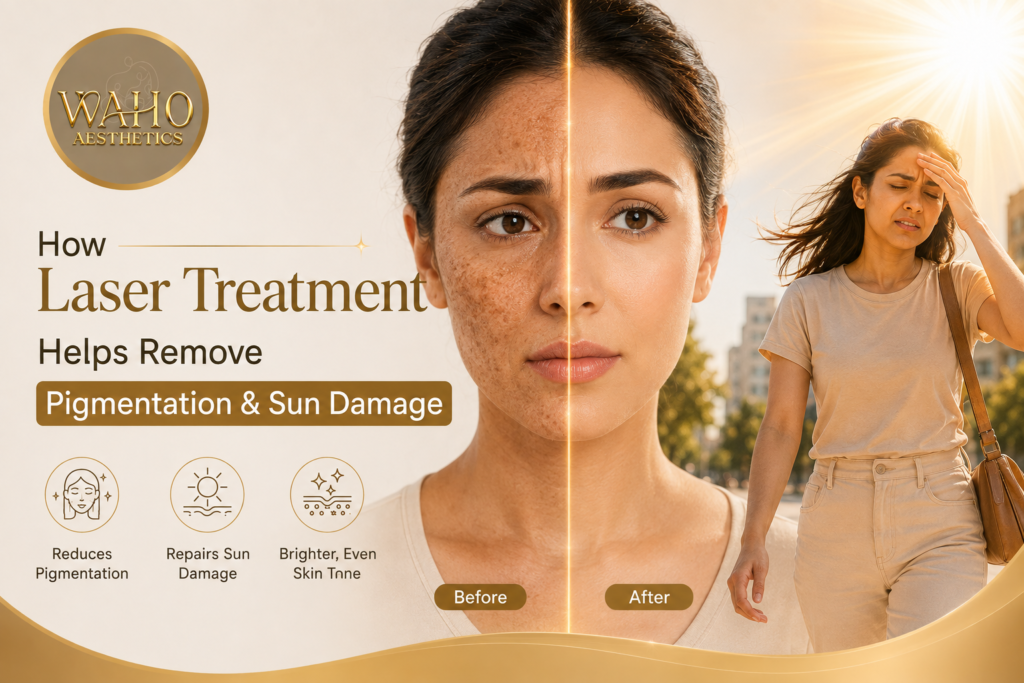
How Laser Treatment Helps Remove Pigmentation and Sun Damage
Pigmentation and sun damage can make your skin look uneven, dull, or older than it feels. Dark spots, sunspots, freckles, and uneven skin tone often develop after repeated exposure to the sun. While skincare products can help manage mild pigmentation, some concerns may need professional treatment.
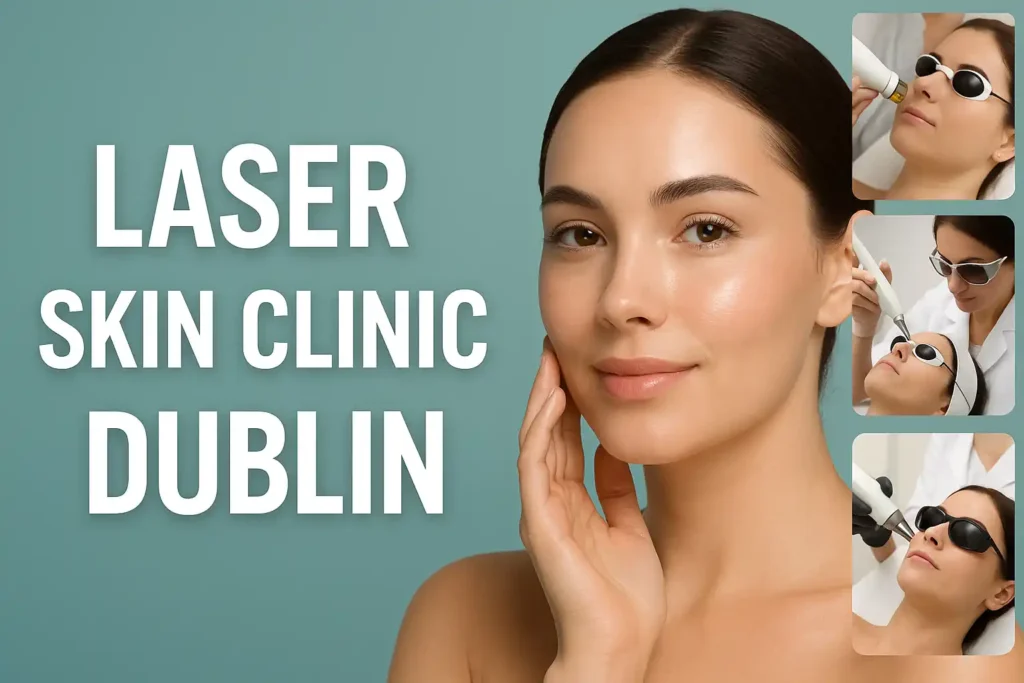
Laser treatment for pigmentation is one option that can target unwanted pigmentation and improve the overall appearance of the skin. Depending on the laser technology used, treatment can target excess pigment while supporting a more even and brighter-looking complexion.
What Causes Pigmentation and Sun Damage?
Pigmentation occurs when the skin produces excess melanin, the natural pigment responsible for skin colour. Several factors can trigger or worsen pigmentation, including:
- Long-term sun exposure
- Hormonal changes
- Acne and skin inflammation
- Certain medications
- Skin injuries or irritation
- Natural ageing
Sun exposure is one of the most common causes of pigmentation. UV rays can stimulate melanin production and contribute to sunspots, uneven skin tone, and other visible signs of sun damage.
How Does Laser Treatment Help Pigmentation?
Laser treatments use controlled light energy to target specific areas of pigmentation. Depending on the laser technology, the energy may be absorbed by excess melanin in the skin.
The targeted pigment can then gradually break down or move towards the skin’s surface, where it can naturally be removed. Over time, this can help reduce the appearance of dark spots and create a more even-looking complexion.
The exact results depend on factors such as your skin type, pigmentation, treatment area, and the laser technology selected.
Can Laser Treatment Remove Sun Damage?
Laser treatment can help improve several visible signs of sun damage, including:
- Sunspots
- Brown spots
- Uneven pigmentation
- Uneven skin tone
- Some areas of sun-related discolouration
- Certain signs of skin ageing
However, laser treatment does not reverse every effect of sun damage. It is important to have realistic expectations and understand that results vary from person to person.
A professional skin assessment can help determine whether laser treatment is suitable for your specific concern.
What Happens During Laser Pigmentation Treatment?
Before treatment, a professional should assess your skin and pigmentation. They may ask about your medical history, skincare routine, sun exposure, previous treatments, and any medications you use.
During the procedure, the laser device delivers controlled energy to the targeted areas. You may feel warmth, tingling, or a snapping sensation depending on the type of laser used.
After treatment, the skin may appear slightly red or feel sensitive. Some treatments can also cause the targeted pigmentation to become temporarily darker before it gradually fades.
Your practitioner will provide aftercare instructions to support the healing process.
How Many Laser Sessions Are Needed?
The number of sessions varies depending on the type and depth of pigmentation, the treatment area, your skin type, and the laser technology being used.
Some people may notice an improvement after one treatment, while others may require a course of sessions to achieve their desired results.
Rather than choosing a fixed number of sessions, your practitioner should create a personalised treatment plan based on your skin.
Is Laser Treatment Safe for Pigmentation?
Laser treatment can be safe when the correct technology and settings are selected for your skin type and concern. However, pigmentation treatments should always be performed by a suitably qualified and experienced professional.
There can be a risk of temporary redness, swelling, sensitivity, changes in pigmentation, or irritation. In some cases, pigmentation can become darker or lighter after treatment.
This is why a proper consultation and skin assessment are important before treatment.
Laser Treatment vs Skincare for Pigmentation
Skincare can play an important role in managing pigmentation and protecting the skin. Ingredients such as vitamin C, retinoids, niacinamide, and other targeted products may help improve the appearance of uneven skin tone over time.
However, skincare mainly works at the skin’s surface and may take longer to produce visible changes.
Laser treatment uses controlled energy to target specific pigmentation and may provide a more intensive approach. In many cases, professional treatment and a suitable home skincare routine can work together.
Why Sun Protection Matters After Laser Treatment
Sun protection is essential when treating pigmentation. UV exposure can trigger melanin production and may cause pigmentation to return or become more noticeable.
After laser treatment, your skin may also be more sensitive to sunlight. Your practitioner may recommend:
- Using a broad-spectrum SPF daily
- Limiting direct sun exposure
- Wearing a hat or protective clothing
- Avoiding tanning
- Following your recommended skincare routine
Daily sun protection is important not only after treatment but also as part of long-term skin care.
Who May Benefit From Laser Treatment?
Laser pigmentation treatment may be suitable for people concerned about visible sunspots, uneven pigmentation, or an uneven skin tone.
However, not every pigmentation concern should be treated with a laser. Conditions such as melasma can behave differently and may sometimes become more noticeable after certain treatments.
A professional assessment is therefore important before choosing laser treatment.
How to Maintain Your Results
Laser treatment can improve the appearance of existing pigmentation, but new pigmentation may develop if the skin continues to receive excessive UV exposure.
To maintain your results:
- Apply sunscreen every day.
- Reapply SPF when spending extended periods outdoors.
- Avoid unnecessary tanning.
- Follow your personalised skincare routine.
- Avoid picking or irritating treated skin.
- Attend follow-up appointments if recommended.
Consistent skin protection can help you maintain a more even and healthier-looking complexion.
Is Laser Treatment Right for Your Pigmentation?
If pigmentation, dark spots, or sun damage is affecting your confidence, laser treatment may offer a professional option for improving your skin’s appearance.
The most suitable treatment depends on the cause of your pigmentation, your skin type, the severity of the concern, and your desired results. A personalised consultation can help identify the right approach rather than relying on a one-size-fits-all treatment.
If you are considering laser treatment for pigmentation in Dublin, speak with the team at Waho Aesthetics for a professional skin assessment and personalised treatment advice.
Follow up Instagram and Facebook for more information.