Laser Skin Treatment: Everything You Need to Know Before You Start
If you want to improve uneven skin tone, pigmentation, acne scars, fine lines, or other skin problems, laser skin treatment may be worth considering. Laser treatments use controlled light to target specific areas of the skin. The treatment can also be adjusted to suit different skin concerns and skin types.
However, laser treatment is not a one-size-fits-all solution. The right treatment depends on your skin condition, goals, skin type, and the type of laser technology being used.
Before booking your first session, it is important to know how laser skin treatment works, what results to expect, how to prepare, and how to care for your skin after treatment.
What Is Laser Skin Treatment?
Laser skin treatment uses focused light to treat specific skin concerns. Depending on the type of laser, it can work on the skin’s surface or deeper layers.
Laser treatments can be used to address concerns such as:
- Pigmentation and sun damage
- Uneven skin tone
- Acne scars
- Fine lines and wrinkles
- Skin texture
- Enlarged pores
- Certain types of redness
- Unwanted hair
Different lasers are designed for different purposes. Some treatments gently heat the skin, while others remove damaged outer layers to encourage new skin growth.
Because every person’s skin is different, a professional consultation is important before choosing a treatment.
What Can Laser Skin Treatment Help With?
One of the main benefits of laser treatment is that it can help with many skin concerns. The right laser can target specific problems while helping your skin look healthier.
1. Pigmentation and Sun Damage
Laser treatments can target excess pigmentation caused by factors such as sun exposure and may help create a more even-looking complexion.
2. Acne Scars
Some laser treatments can help reduce the appearance of acne scars by smoothing the skin or boosting collagen production. Results depend on the type and depth of the scars.
3. Fine Lines and Wrinkles
Some laser technologies stimulate collagen and support skin renewal. This may help reduce the appearance of fine lines and improve overall skin texture.
4. Enlarged Pores
Laser treatment may help make enlarged pores appear less noticeable by improving skin texture and supporting collagen production.
5. Uneven Skin Texture
Resurfacing treatments can remove damaged surface cells and encourage smoother-looking skin.
How Does Laser Skin Treatment Work?
The treatment process depends on the laser being used.
During a session, the laser sends controlled energy to the treated area. This energy may target pigmentation, hair follicles, water in the skin, or other specific areas.
Depending on the treatment, this energy can:
- Break down unwanted pigmentation
- Heat targeted areas
- Stimulate collagen production
- Encourage skin renewal
- Remove damaged surface skin
Your practitioner will select the appropriate settings based on your skin and treatment goals.
Is Laser Skin Treatment Safe?
Laser treatment can be safe when performed using appropriate technology and settings by a qualified and experienced professional.
However, like any cosmetic procedure, laser treatment can have potential side effects. These may include temporary:
- Redness
- Swelling
- Warmth
- Sensitivity
- Dryness
- Peeling
- Changes in pigmentation
The risk can vary depending on your skin type, the laser used, treatment intensity, and how well you follow aftercare instructions.
A consultation before treatment helps identify potential risks and determine whether the treatment is suitable for you.
What Should You Do Before Laser Treatment?
Preparing your skin properly can help support a smoother treatment experience.
Before your appointment:
Protect Your Skin From the Sun
Avoid too much sun exposure and use a suitable broad-spectrum sunscreen. Tanned or sunburned skin may not be suitable for some laser treatments.
Follow Your Practitioner’s Advice
Your practitioner may recommend avoiding specific skincare products or treatments before your session.
Tell Your Practitioner About Your Skin
Share information about your current skincare routine, previous treatments, medications, allergies, and any history of skin reactions.
Avoid Unnecessary Irritation
Do not aggressively exfoliate or use products that may irritate your skin unless your practitioner has advised you to do so.
What Happens During a Laser Skin Treatment?
The exact experience depends on the treatment and the area being treated.
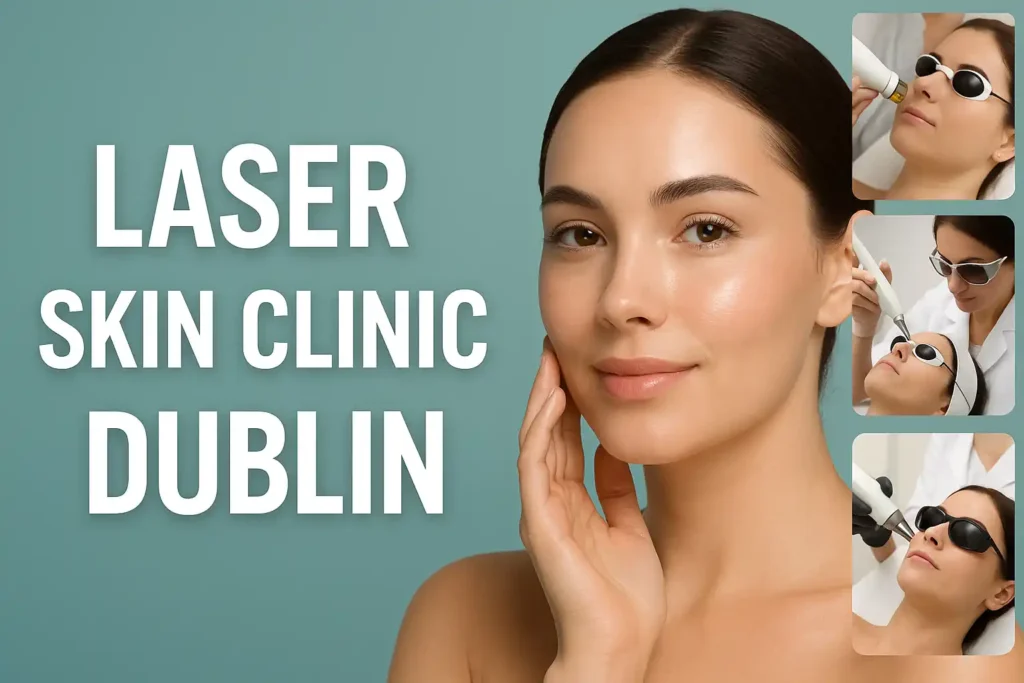
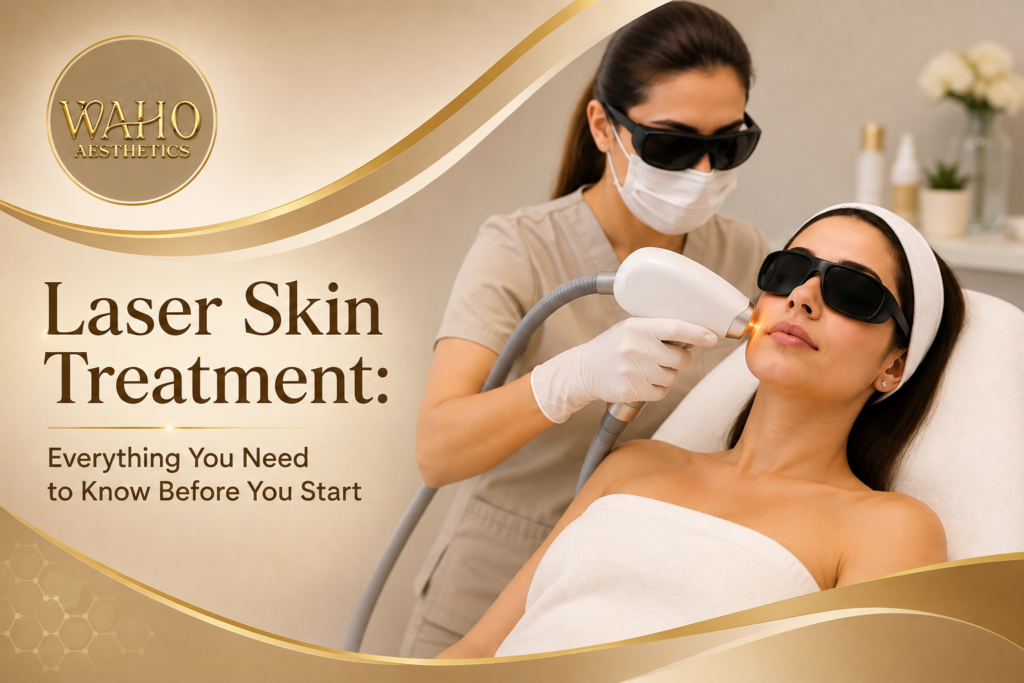
Generally, your skin will be cleansed before the procedure. Protective equipment may be used to shield your eyes from the laser.
You may feel warmth, tingling, or a light snapping feeling during some treatments. The session may take a few minutes or longer, depending on the treatment area.
Afterwards, your practitioner will provide specific aftercare instructions.
Is Laser Treatment Painful?
Discomfort varies between treatments and individuals. Some people describe the sensation as warmth, tingling, or small snaps against the skin.
Your practitioner may use cooling methods or other comfort measures depending on the treatment.
It is important to tell your practitioner if you experience significant discomfort during the procedure.
How Many Laser Sessions Will You Need?
There is no single number of sessions that works for everyone.
The number of treatments depends on:
- Your skin concern
- The type of laser
- Treatment area
- Severity of the concern
- Your skin’s response
- Your desired results
Some skin concerns may improve after one session, while others may need several treatments. Your practitioner can create a personalised plan after checking your skin.
What Can You Expect After Treatment?
Your skin may look red or feel warm immediately after treatment. Depending on the laser, you may also experience mild swelling, dryness, sensitivity, or peeling.
These effects are often temporary, but recovery varies depending on the procedure.
Your practitioner should explain what is normal for your specific treatment and when you should contact them if you notice anything unusual.
Laser Skin Treatment Aftercare
Good aftercare is an important part of the treatment process.
Use Sunscreen
Protect your skin from UV exposure with a suitable broad-spectrum sunscreen recommended for your skin.
Keep Your Skincare Routine Gentle
Use gentle skincare products and avoid harsh exfoliants or irritating ingredients until your skin has recovered.
Keep Your Skin Hydrated
A suitable moisturiser can help support the skin barrier and reduce dryness or discomfort.
Avoid Picking or Scratching
If your skin becomes flaky or starts peeling, allow it to shed naturally rather than picking at it.
Follow Professional Instructions
Always follow the specific aftercare advice provided by your practitioner because recommendations can vary between laser treatments.
When Will You See Results?
Results depend on the type of laser treatment and the concern being treated.
Some results may appear quickly, while other treatments take more time as the skin produces new collagen and renews itself.
For treatments that stimulate collagen, improvements may continue to develop gradually over several weeks or months.
It is important to have realistic expectations and understand that laser treatment may improve the appearance of a concern rather than completely remove it.
Who May Not Be Suitable for Laser Treatment?
Laser treatment is not appropriate for everyone or every skin condition.
Your practitioner may delay or avoid treatment if you have skin irritation, an infection, recent tanning, take certain medicines, or have other health concerns.
This is why a professional skin assessment should come before treatment rather than choosing a laser based only on online information.
How to Choose the Right Laser Treatment
Choosing the right treatment starts with identifying the concern you want to address.
For example, the most suitable option for pigmentation may be different from the treatment recommended for acne scars or wrinkles.
When choosing a clinic, consider:
- Practitioner experience
- Type of laser technology available
- Personalised treatment plans
- Safety and hygiene standards
- Consultation process
- Clear aftercare guidance
- Realistic expectations about results
Avoid choosing a treatment simply because it is advertised as the latest or strongest option. The right treatment should be based on your individual skin needs.
Conclusion
Laser skin treatment can help improve pigmentation, acne scars, fine lines, uneven skin texture, and other skin concerns. However, good results depend on choosing the right laser and settings for your skin.
Before starting treatment, book a professional consultation, discuss your goals, understand possible side effects, and follow the recommended preparation and aftercare advice.
At Waho Aesthetics, a personalised approach can help you find the right laser treatment for your skin and understand what results you can realistically expect.
Follow up Instagram and Facebook for more information.
Frequently Asked Questions
Is laser skin treatment suitable for all skin types?
Not every laser is suitable for every skin type. A professional assessment can help determine which technology and settings may be appropriate for your skin.
How long does a laser skin treatment session take?
Treatment time depends on the type of laser, the area being treated, and your skin concern. Some sessions are short, while larger or more complex treatments may take longer.
Can laser treatment remove pigmentation permanently?
Laser treatment can greatly improve some types of pigmentation. However, pigmentation may come back if triggers such as sun exposure are not managed.
How often can I have laser skin treatments?
The recommended gap between sessions depends on the laser and treatment goal. Your practitioner will advise you on a suitable treatment schedule.
Can I wear makeup after laser treatment?
This depends on the treatment and how your skin responds. Your practitioner will tell you when it is appropriate to resume makeup.