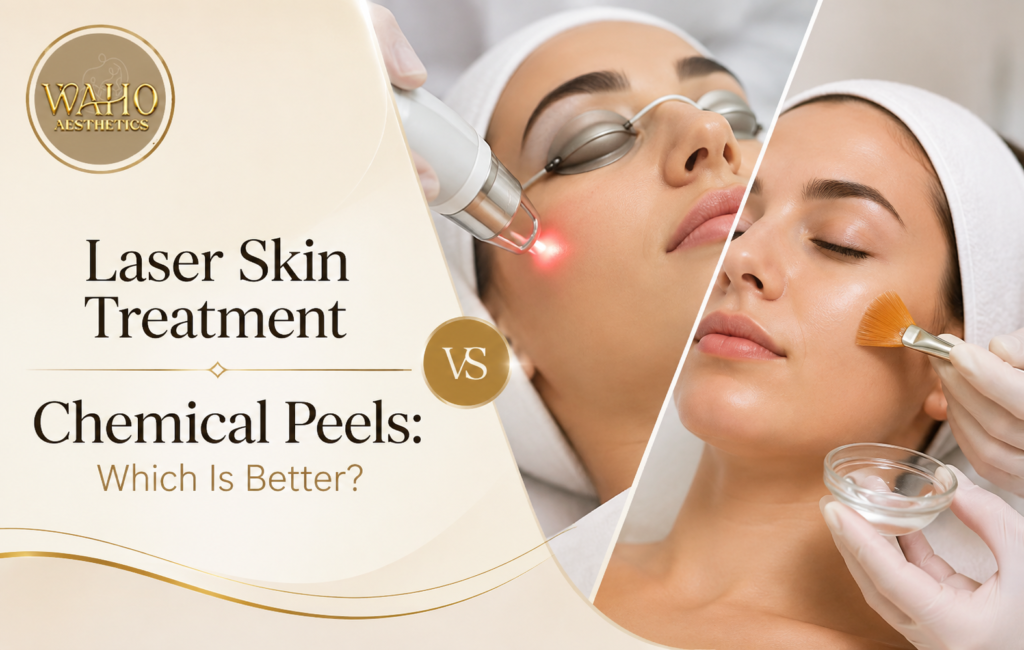
Laser Skin Treatment vs Chemical Peels: Which Is Better?
Clear, smooth, and healthy-looking skin is a common skincare goal. If you are dealing with acne scars, uneven skin tone, pigmentation, sun damage, or rough skin texture, you may have considered laser skin treatment or chemical peels.
But which treatment is better?
The answer depends on your skin type, concerns, treatment goals, and the condition of your skin. Laser skin treatment and chemical peels work in different ways, so choosing the right option should start with understanding how each treatment works and what results you can realistically expect.
What Is Laser Skin Treatment?
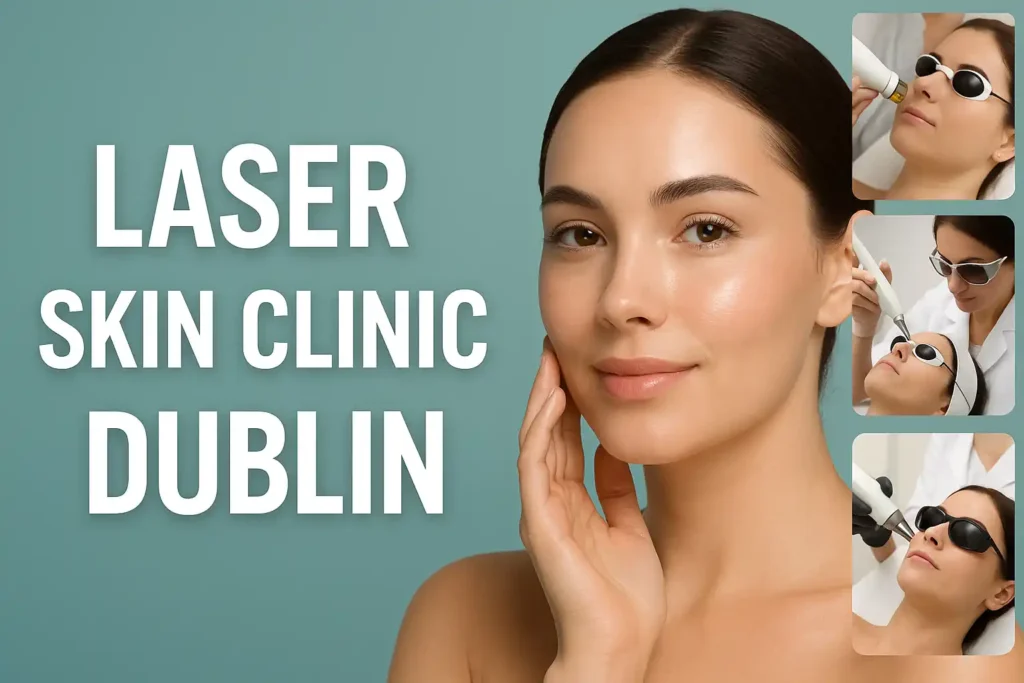
Laser skin treatment uses controlled light energy to target specific areas of the skin. Depending on the type of laser used, treatment can work on pigmentation, sun damage, uneven texture, acne scars, fine lines, and other skin concerns.
Some laser treatments work mainly on the skin’s surface, while others deliver energy deeper into the skin to stimulate collagen production and support skin renewal.
Benefits of Laser Skin Treatment
Laser treatment may help:
- Improve uneven skin tone
- Reduce the appearance of pigmentation
- Improve skin texture
- Minimise the appearance of acne scars
- Reduce the appearance of fine lines
- Support collagen production
- Improve sun-damaged skin
- Give the skin a smoother, more refreshed appearance
The exact results depend on the laser technology used, your skin condition, and the number of treatments recommended.
What Are Chemical Peels?
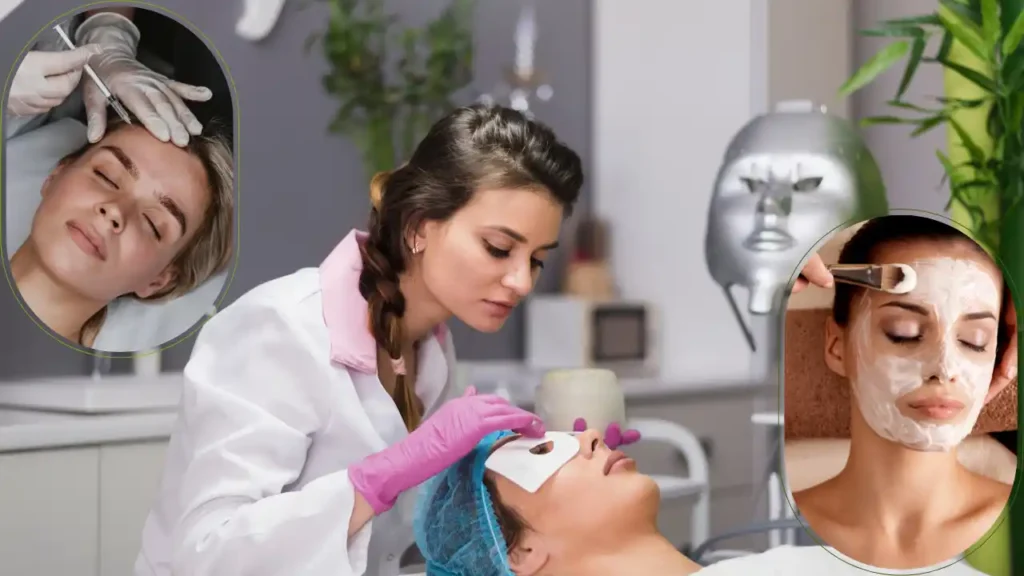
A chemical peel uses a carefully selected solution containing ingredients such as alpha hydroxy acids (AHAs), beta hydroxy acids (BHAs), or other peeling agents. The solution is apply to the skin to remove damaged outer layers and encourage skin renewal.
Chemical peels are available in different strengths. A superficial peel may provide gentle exfoliation, while deeper peels produce a stronger effect and require more careful aftercare.
Benefits of Chemical Peels
Chemical peels may help improve:
- Dull-looking skin
- Uneven skin tone
- Mild pigmentation
- Certain types of acne
- Rough skin texture
- Some superficial acne marks
- Excess oil
- The appearance of fine lines
Because there are different types and strengths of chemical peels, a skincare professional can recommend an option based on your individual needs.
Laser Skin Treatment vs Chemical Peels: Key Differences
Although both treatments can improve the appearance of the skin, they are not the same.
Feature | Laser Skin Treatment | Chemical Peels |
Treatment method | Uses controlled laser energy | Uses a chemical solution |
Skin concerns | Pigmentation, scars, texture, fine lines and more | Texture, dullness, pigmentation and some acne concerns |
Depth | Depends on the laser technology | Depends on the peel strength |
Downtime | Varies by treatment | Varies by peel |
Number of sessions | Depends on the concern and laser | Often requires a course of treatments |
Customisation | Highly dependent on laser type and settings | Can be customise by peel type and strength |
Best choice | Depends on skin concern and treatment goal | Depends on skin concern and treatment goal |
Which Is Better for Pigmentation?
Both laser treatments and chemical peels can be use for certain pigmentation concerns.
However, pigmentation is not one single condition. Dark spots can have different causes, including sun exposure, acne, hormonal changes, and inflammation.
A professional skin assessment is important before choosing a treatment. In some cases, a chemical peel may be suitable for superficial pigmentation, while certain laser treatments may be considered for specific types of pigmentation.
Importantly, not every pigmentation problem should be treat with a laser or peel. The wrong treatment can sometimes worsen pigmentation, particularly in skin that is more prone to post-inflammatory hyperpigmentation.
Which Is Better for Acne Scars?
The type of acne scar matters.
Laser treatment may be consider for certain textural acne scars because some laser technologies can stimulate collagen and improve uneven skin texture.
Chemical peels may be useful for mild acne, congestion, uneven tone, and some superficial marks left after acne.
For deeper or more established acne scars, a combination of treatments may sometimes provide better results than relying on a single treatment.
Which Is Better for Skin Texture?
Both treatments can improve skin texture, but they achieve this differently.
Chemical peels exfoliate the skin and encourage the removal of damaged surface cells. This can leave the skin looking smoother and brighter.
Certain laser treatments can work more deeply and may stimulate collagen production, which can help improve skin texture over time.
The best option depends on whether your main concern is surface dullness or deeper textural changes.
Which Treatment Has Less Downtime?
Downtime depends on the specific treatment, rather than simply choosing laser or chemical peel.
A mild chemical peel may cause little downtime, although some peeling, dryness, redness, or sensitivity can occur.
Some laser treatments may also have minimal downtime, while stronger resurfacing lasers can cause more noticeable redness, swelling, peeling, or skin sensitivity.
Your practitioner should explain what to expect before treatment so you can plan your recovery properly.
Is Laser Treatment More Effective Than Chemical Peels?
Not necessarily.
Laser treatment is not automatically better than a chemical peel, and a chemical peel is not automatically the better choice.
The most effective treatment is usually the one that matches your specific concern.
For example:
- Dull skin: A suitable chemical peel may be helpful.
- Mild uneven tone: Either treatment may be consider.
- Certain pigmentation concerns: Laser or peel treatment may be recommend depending on the cause.
- Textural acne scars: Certain laser treatments may be more appropriate.
- Mild acne and congestion: Some chemical peels may be suitable.
- Signs of sun damage: Both treatments may have a role.
Your skin type, medical history, previous treatments, and current skincare routine should also be considered.
Can You Combine Laser Treatment and Chemical Peels?
In some cases, different skin treatments can be include as part of a wider skin rejuvenation plan. However, laser treatments and chemical peels should not be combined without professional guidance.
Using treatments too aggressively can irritate the skin and increase the risk of complications such as prolonged redness or pigmentation changes.
A qualified practitioner can determine whether combination treatments are appropriate and how they should be spaced.
How to Prepare for Treatment
Preparation depends on the specific laser or chemical peel you are having.
Before treatment, your practitioner may recommend:
- Avoiding unnecessary sun exposure
- Using broad-spectrum sunscreen
- Avoiding picking or irritating the skin
- Following recommended skincare instructions
- Informing the practitioner about medications and skincare products
- Avoiding certain active ingredients when advised
Do not make major changes to your skincare routine without professional advice.
Aftercare Is Important
Good aftercare can help support your skin while it recovers.
After either treatment, you may need to:
- Protect your skin from the sun
- Apply sunscreen as recommended
- Keep the skin moisturised
- Avoid picking or peeling the skin
- Avoid harsh exfoliation until your skin has recovered
- Follow your practitioner’s aftercare instructions
Sun protection is especially important because treat skin can be more sensitive to sunlight.
How Many Treatments Will You Need?
There is no single number of treatments that works for everyone.
The number of laser sessions or chemical peels you may need depends on:
- Your skin concern
- The severity of the concern
- Your skin type
- The treatment selected
- Your response to treatment
- Your desired results
Some people may notice improvements after one treatment, while others may need a planned course of sessions.
A professional consultation can help create a realistic treatment plan based on your skin.
Laser Skin Treatment vs Chemical Peels: Which Should You Choose?
There is no universal winner.
Laser skin treatment may be a better option for certain concerns involving deeper skin texture, acne scars, pigmentation, or collagen stimulation. Chemical peels may be a good choice for concerns such as dullness, superficial pigmentation, mild acne, and uneven texture.
However, the right treatment should never be select based only on popularity or price.
Your skin is unique. A professional assessment can help identify the cause of your concern and determine which treatment is most appropriate.
Why Professional Skin Assessment Matters
Treating the wrong skin concern with the wrong procedure can lead to irritation or unwanted pigmentation changes.
During a consultation, a skincare professional can assess your skin, discuss your concerns, review your skincare routine, and explain the potential benefits and risks of suitable treatments.
This personalised approach can help you make a safer and more informed decision.
Conclusion
So, laser skin treatment vs chemical peels — which is better?
Neither treatment is better for everyone.
Laser treatments can offer targeted options for certain pigmentation, scarring, texture, and skin rejuvenation concerns. Chemical peels can provide controlled exfoliation and may be useful for dullness, mild acne, uneven tone, and superficial skin concerns.
The best treatment depends on your skin type, skin concern, treatment goals, and professional assessment.
If you are unsure which option is right for you, a consultation at Waho Aesthetics can help you understand your choices and create a treatment plan suited to your skin.
Follow up Instagram and Facebook for more information.
Frequently Asked Questions
Is laser treatment better than a chemical peel?
Not always. Both treatments have different uses. The right choice depends on your skin concern, skin type, and treatment goals.
Which is better for pigmentation: laser or chemical peel?
Both may be suitable for certain pigmentation concerns. The cause and type of pigmentation should be assess before choosing a treatment.
Which treatment is better for acne scars?
Certain laser treatments may be more suitable for some textural acne scars, while chemical peels can help with mild acne and superficial marks.
Do chemical peels damage the skin?
When professionally selected and apply correctly, chemical peels are design to produce control exfoliation. Incorrect use or overly strong treatments can cause irritation and complications.
How long does it take to see results?
Results vary depending on the treatment, skin concern, and number of sessions. Some improvements may appear relatively quickly, while collagen-related changes can take longer.
Can I have laser treatment and a chemical peel?
Lorem ipsum dolor sit amet, consectetur adipiscing elit. Ut elit tellus, luctus nec ullamcorper mattis, pulvinar dapibus leo.
What should I choose for my skin?
The safest approach is to have your skin assessed by a qualified professional who can recommend a treatment based on your individual needs.